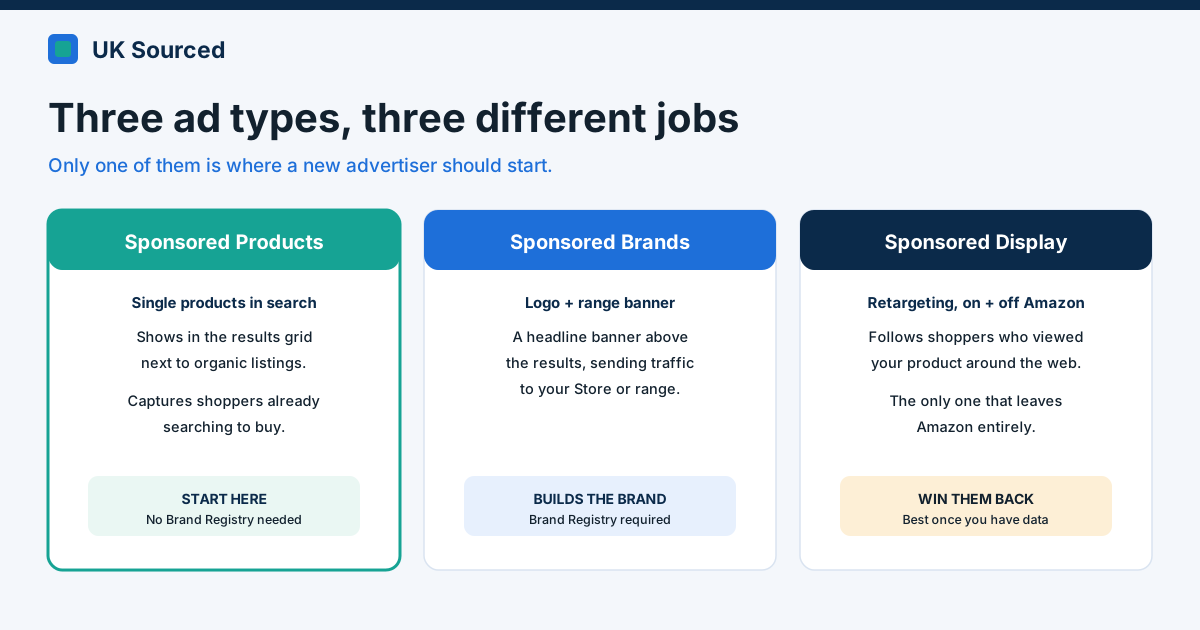
Sponsored Products vs Sponsored Brands vs Sponsored Display: what's the difference?
Sponsored Products vs Sponsored Brands vs Sponsored Display — what each Amazon ad type actually does, where it shows, and how to split your budget sensibly.
Amazon will happily sell you three different kinds of ad. It's noticeably less keen on explaining which one you actually need.
Open the advertising console and they sit there looking like equals: Sponsored Products, Sponsored Brands, Sponsored Display. They aren't equals. One of them does nearly all the earning on almost every account we manage. The other two have proper jobs — but narrower ones, and only once your brand is at the right stage. Here's the tour, minus the jargon.
Sponsored Products: the workhorse
These are the ads you've clicked a hundred times without noticing. Sponsored Products promotes a single listing, and the ads appear inside the search results and on product pages, dressed to look almost identical to organic results — only a small grey "Sponsored" tag gives them away.
You pick a product, choose keywords (or let Amazon choose for you), set a bid, and you pay only when someone clicks. Any seller on the Professional plan can run them from day one. No trademark. No Brand Registry. No minimum spend.
Why they matter is intent. A shopper who types "insulated lunch bag" into Amazon is usually holding their card. Sponsored Products puts your product in front of that person at that exact moment, which is why the format converts harder than the other two and why, on the accounts we run, it carries the overwhelming majority of ad revenue. If you only ever learn one ad type, learn this one.
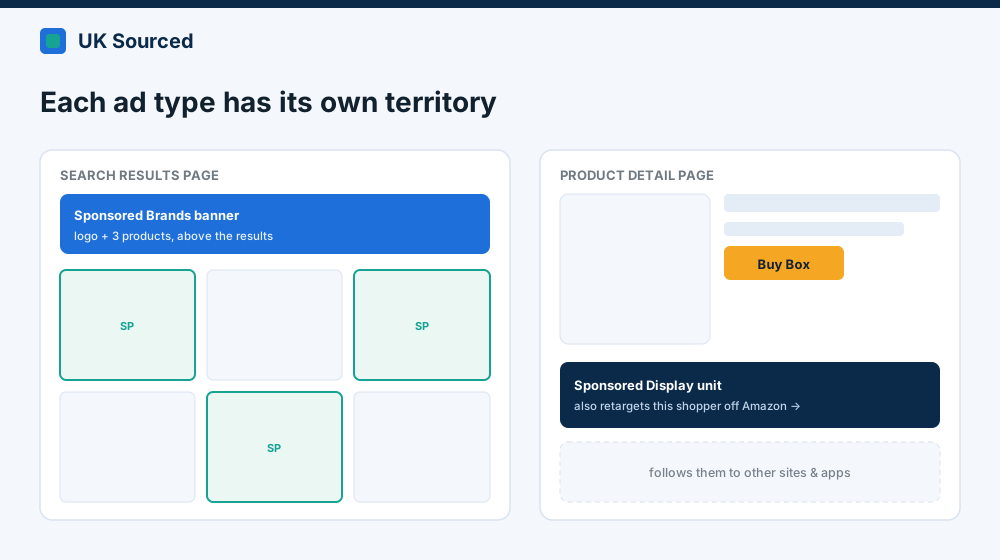 One search page, one product page — and each ad type has its own territory. Display is the only one that follows shoppers off Amazon entirely.
Sponsored Brands: the shop window
Scroll any busy Amazon search and you'll usually find a banner sitting above the results proper: a logo, a short custom headline, and a little shelf of products. That's Sponsored Brands.
It does a different job entirely. Sponsored Products sells a product; Sponsored Brands sells you. The banner can carry your own message ("Award-winning kit for wild swimmers"), showcase three products side by side, or run a short video that plays right there in the results. Click the logo and the shopper lands on your Storefront — your own branded corner of Amazon — rather than on one listing.
Two catches. First, you need Brand Registry, which means a registered trademark — no trademark, no banner. Second, the clicks tend to cost more and convert less directly, because you're buying attention as much as sales. That's not a flaw; it's the point. Defending your own brand name from competitors who bid on it, or introducing a range rather than a single hero product — that's Sponsored Brands territory. Just don't expect it to out-earn the workhorse.
Sponsored Display: the one that follows you around
You know when you look at a garden parasol once and it haunts you around the internet for a fortnight? On Amazon, that's Sponsored Display.
Instead of targeting what someone searches, Display targets who they are and what they've been looking at. It can re-show your product to shoppers who viewed it but didn't buy, place your ad on a competitor's product page, or reach people who've been browsing your category — and its placements stretch beyond Amazon itself, out onto third-party websites and apps. Like Sponsored Brands, it needs Brand Registry.
Our honest take: Display is the most oversold of the three. It sounds sophisticated, and it can genuinely earn — retargeting warm shoppers on a considered, higher-priced purchase is its sweet spot. It's also the easiest place to quietly incinerate a budget, because "reach" feels productive even when nothing's selling. (We've audited accounts where a Display campaign nobody remembered switching on had been sipping spend for months. Nobody could tell us what it had bought.) Run it deliberately or not at all.
Where should a beginner start? Sponsored Products. It's not close.
If you're new to Amazon ads, the decision mostly makes itself: without Brand Registry, Brands and Display are locked anyway. But even with a trademark in hand, start with Sponsored Products.
They sit closest to the sale, so they're the fastest route to your first profitable ad. They generate the search-term data — which real queries actually convert for your product — that every other campaign gets built on later. And they teach you the mechanics of bids, budgets and ACOS on the format where mistakes are cheapest.
We've written a full plain-English primer on getting that first campaign live — auto vs manual, match types, a simple two-campaign structure — over at Amazon PPC for beginners. Run that playbook for a couple of months. Come back to the other two formats when there's something worth amplifying.
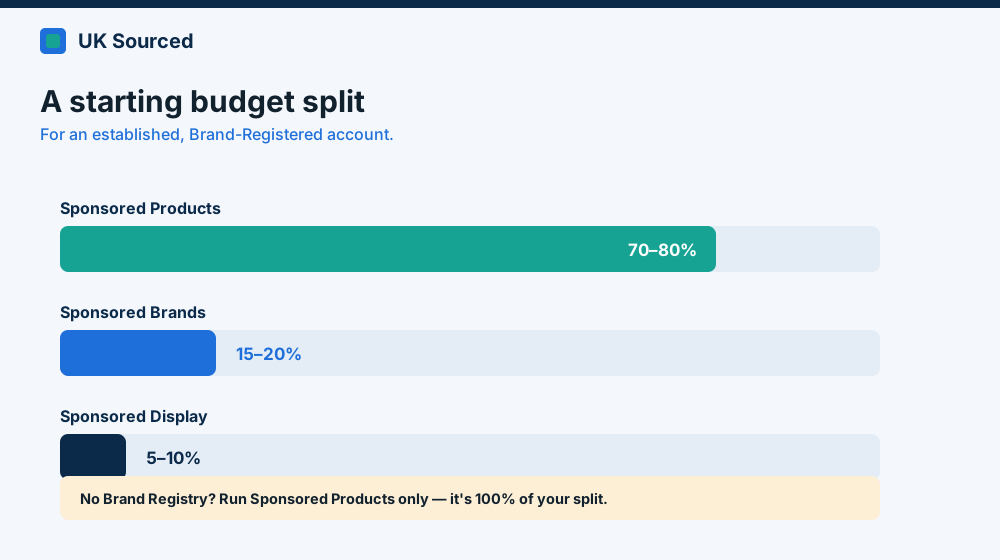 Our starting split for an established, Brand-Registered account. Not gospel — let your own numbers argue with it.
A sensible budget split (once you've earned the right)
For an established brand — Brand Registry sorted, a few products, ads consistently profitable — this is the rough shape we'd start from:
- Sponsored Products: 70–80%. Still the engine. It carries the revenue, so it gets the fuel.
- Sponsored Brands: 15–20%. Defend your brand terms, push the range, keep that top-of-search banner warm.
- Sponsored Display: 5–10%. Retargeting first, everything else on probation. Review it monthly and make it justify its keep.
Treat that as a starting posture, not gospel. Let your own numbers argue with it — if Brands is returning better than expected, feed it. One hero product and no real range to showcase? Push Sponsored Products to 90% and don't feel guilty. And if you haven't got Brand Registry yet, spending 100% on Sponsored Products isn't a compromise. It's simply correct.
The thirty-second version
Sponsored Products puts one product in front of a shopper who's searching for it right now — start here, and expect it to do most of the earning more or less forever. Sponsored Brands puts your name and your range above the results — worth it once there's genuinely a brand to show off. Sponsored Display follows interested shoppers around Amazon and beyond — powerful in small, deliberate doses, and expensive as wallpaper otherwise.
The order you should adopt them in is the order Amazon lists them. Funny, that.
If you'd rather someone who stares at ad consoles all day worked out the right mix for your brand — and caught the quiet budget leaks while they're at it — that's a big part of what we do. Drop us a line at enquiries@uksourcedltd.com.